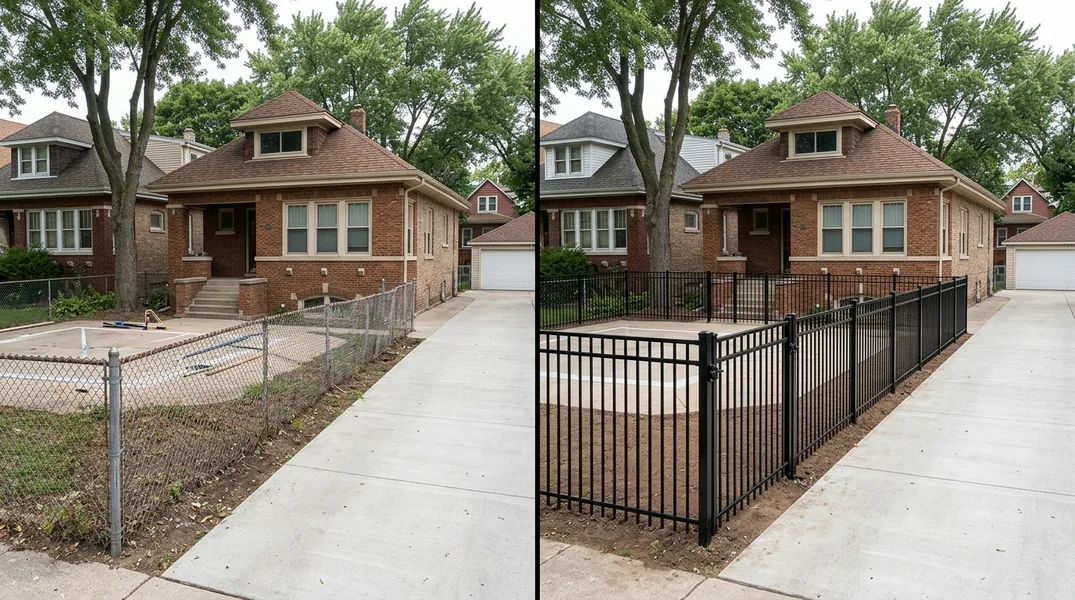
Understanding HOA Fence Rules in DuPage County
If you own a home in a homeowners association (HOA) community in DuPage County, you already know that certain rules govern how your property looks. One of the most common restrictions homeowners encounter involves fencing. Before you call a contractor or order materials for Wood & Privacy Fence Installation, it is essential to understand what your HOA allows. Many homeowners in the Chicago area and surrounding suburbs have learned this lesson the hard way, investing thousands of dollars only to be told their new fence violates community guidelines.
HOA fence rules exist to maintain property values and preserve the aesthetic character of the neighborhood. However, these rules vary dramatically from one community to another. Some HOAs are quite permissive and allow nearly any fence style, while others have strict specifications that govern everything from the height of your fence to the exact shade of stain you apply. Understanding these rules before you begin any installation project will save you time, money, and frustration. The key is to review your HOA's Covenants, Conditions, and Restrictions (CC&Rs) document and contact your HOA board if anything is unclear.
Common HOA Fence Height Restrictions and Why They Matter
Height restrictions are among the most frequently enforced HOA fence rules in DuPage County communities. Many HOAs limit front yard fences to 3 or 4 feet, while backyard fences may be allowed to reach 6 or 8 feet. These limits exist to maintain sight lines, prevent the neighborhood from feeling enclosed, and ensure that homes maintain their original architectural character. Before you order materials or schedule installation, measure your property line and confirm exactly what height your HOA permits in each area of your yard.
The reason height matters goes beyond aesthetics. A fence that is too tall can block views from the street, potentially creating safety issues or making the neighborhood feel unwelcoming. Conversely, some homeowners want privacy and may push back against height restrictions. If you are considering Vinyl & PVC Fence Installation or another fence type for your Oak Park or DuPage County home, check whether the HOA offers any variance process. Some communities allow homeowners to request an exception if they can demonstrate a legitimate privacy need or if their property has unique characteristics that warrant a taller fence. Contact your HOA board in writing and ask about this possibility before proceeding.
Subdivision Fence Approval: What You Need to Know Before Installation
Subdivision fence approval is a formal process in many DuPage County HOA communities. This means you cannot simply hire a contractor and install a fence whenever you like. Instead, you must submit an application to your HOA's architectural review committee or board, describe the fence you want to install, and wait for approval before work begins. Skipping this step can result in fines, a cease-and-desist order, or even a requirement to remove the fence at your own expense. Many homeowners are surprised to learn that their fence installation violated community rules, particularly when they assumed their plans were reasonable or similar to fences they saw in nearby homes.
The approval process typically requires you to provide detailed information about your planned fence. You may need to submit drawings, photographs, material samples, color swatches, and specifications including height, depth, setback from the property line, and the exact materials you plan to use. Some HOAs require you to hire a contractor who is on their approved vendor list, while others simply require proof that your contractor is fully insured. Contact your HOA office or review your CC&Rs to learn what documentation is required. Most communities allow 30 to 60 days for the review process, so plan accordingly if you have a timeline in mind. If your application is denied, ask for specific feedback so you can modify your proposal and resubmit.
Fence Color Rules in DuPage County HOAs: What Shades Are Allowed
Fence color rules are often the most detailed and sometimes the most surprising aspect of HOA fence regulations. Many communities specify that fences must be natural wood tones, earth tones, or neutral colors like tan, beige, gray, or black. Some HOAs prohibit bright colors, metallic finishes, or non-traditional materials altogether. If you are planning Chain Link Fence Installation, be aware that many HOAs restrict chain link to backyard use only or prohibit it entirely in visible areas. Similarly, ornamental styles like Aluminum & Ornamental Iron Fencing may be required for front yards in certain communities.
The reason HOAs enforce color rules is to maintain visual consistency throughout the neighborhood. When every fence is a similar color and style, the community appears cohesive and well-maintained. However, this can feel restrictive if you have a specific aesthetic vision for your property. Before selecting your fence color, obtain a copy of your HOA's approved color palette. If your preferred color is not listed, ask whether you can submit a sample for approval. Some HOAs will grant exceptions if the proposed color is similar enough to approved options or if you can demonstrate that the color matches your home's exterior. Document any correspondence with your HOA in writing so you have proof that your color choice was approved.
Material Restrictions and Fence Type Approval in Your Community
Beyond color, many DuPage County HOAs restrict the types of materials you can use for your fence. Some communities require wood fencing exclusively, while others allow vinyl, composite, or metal options. Understanding these material restrictions is crucial because different materials have different appearances, maintenance requirements, and pricing structures. A fence that meets your aesthetic preferences and budget may still violate your HOA's material specifications, so this is not a decision to make lightly.
Wood fences, for example, are often preferred by HOAs because they provide a traditional, attractive appearance that fits most neighborhood styles. However, wood requires regular maintenance, including staining, sealing, and repairs. Vinyl fencing offers a low-maintenance alternative and can look attractive, but some HOAs view it as less traditional or worry about its durability. Metal fencing, including Aluminum & Ornamental Iron Fencing, may be required for front yards or preferred for certain architectural styles. Before making a final decision, review your HOA's approved materials list and consider how each option aligns with your community's standards. If you are unsure which material your HOA prefers, reach out to the architectural review committee and ask for guidance. They can often recommend materials that have been approved for other homes in your community, giving you confidence that your choice will be accepted.
Getting Your Free Estimate and Moving Forward with HOA Approval
Once you understand your HOA's fence rules, the next step is to get a professional assessment and free estimate from an insured fence contractor. Chicago Fence Pros has extensive experience working with homeowners in HOA communities throughout the Chicago area. Our team understands DuPage County regulations and can help you design a fence that meets your HOA's requirements while delivering the privacy, security, and aesthetic appeal you want. When you call us at (872) 259-5832, be prepared to discuss your HOA's specific rules so we can provide guidance on what will work best for your property.
Working with an experienced contractor can save you time and prevent costly mistakes. A good fence company will help you prepare your HOA application, suggest materials and colors that are likely to be approved, and ensure that the installation meets both HOA standards and local building codes. Do not hesitate to ask questions during the estimate process. The best contractors welcome detailed discussions about HOA requirements and view them as an important part of the project. By combining a clear understanding of your HOA rules with professional guidance from Chicago Fence Pros, you can move forward confidently with your fence installation project knowing that your investment will be protected and approved by your community.
Looking for a professional tree service in Chicago? Chicago Fence Pros responds fast for all your fence needs.
Get a Free Quote